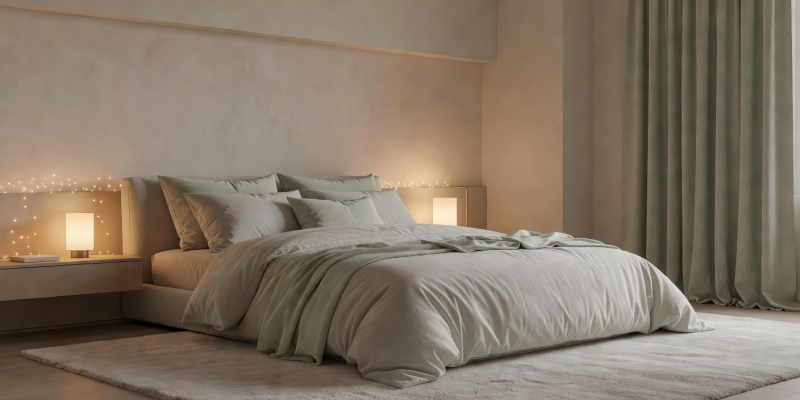
The bedroom is the most personal room in the house, a private retreat dedicated primarily to rest, rejuvenation, and comfort. Decorating this space requires a shift in mindset compared to public spaces like the living room or kitchen. Here, the priority is not entertaining others, but soothing the senses. Every decision, from the wall color to the texture of the bedding, should serve to lower your heart rate and signal to the brain that it is time to unwind.
The Psychology of Bedroom Colors
Color profoundly affects mood, and in a bedroom, selecting the right palette is the first critical step in decoration. While high-energy colors like bright red or vibrant orange can be stimulating, they are generally counterproductive in a sleep environment. Instead, design trends and psychological studies continually point toward softer, desaturated hues.
- Soft Blues and Greens: These colors mimic nature (the sky, water, and foliage) and have been widely observed to promote a sense of calm and lower stress levels.
- Warm Neutrals: Earthy tones like sand, soft taupe, and warm blush create a cozy, enclosing feeling without being overwhelming.
- Deep, Moody Tones: Dark navy, charcoal, or deep forest green can create a "cocooning" effect, particularly effective in rooms that receive low natural light.
Textural Layering for the Bed
The bed is inevitably the focal point of the room, and how it is dressed dictates the room's overall aesthetic. High-quality bedding is a worthwhile investment. The foundation starts with sheets—materials like percale cotton offer a crisp, cool feel, while washed linen provides a relaxed, breathable softness. However, the decorative magic happens in the layering.
Begin with a neutral duvet or quilt as your base. Add visual interest by folding a contrasting throw blanket across the foot of the bed. This not only adds a pop of color or texture but also provides practical warmth on colder nights. When it comes to pillows, a practical approach is best. A common pitfall is overloading the bed with so many decorative pillows that removing them becomes a tedious nightly chore. Two sleeping pillows per person, supplemented by one or two decorative accent pillows (like a long lumbar pillow), offer a styled look without the excess.
Functional Nightstands and Accents
Bedside tables are highly functional elements that double as prime decorative real estate. The challenge is balancing aesthetics with the clutter of daily life (books, glasses, water glasses, chargers). Choose nightstands with at least one drawer to hide unsightly necessities.
Decorating the surface should be kept minimal. A bedside lamp is essential—opt for fixtures with fabric shades to diffuse the light softly. A small decorative tray can elegantly corral small items like jewelry or lip balm. A single, low-maintenance plant or a small vase of dried florals can bring life to the corner without requiring constant attention.
Window Treatments and Light Control
Window treatments in the bedroom serve a dual purpose: they soften the architectural lines of the room and play a crucial role in sleep hygiene. For optimal decoration and function, a layered approach to window dressings is highly recommended.
Consider combining light-filtering sheer curtains with heavier, blackout drapes. The sheers allow natural light to filter through during the day, maintaining privacy and a breezy aesthetic. At night, the heavier blackout drapes can be drawn to block streetlights and early morning sun, creating the ideal dark environment necessary for deep sleep. When hanging curtains, installing the rod close to the ceiling and extending it wider than the window frame will make the ceilings feel taller and the windows grander.
By carefully considering color, reducing visual clutter, and focusing on tactile comfort, you can decorate a bedroom that looks beautiful by day and serves as a true restorative sanctuary by night.