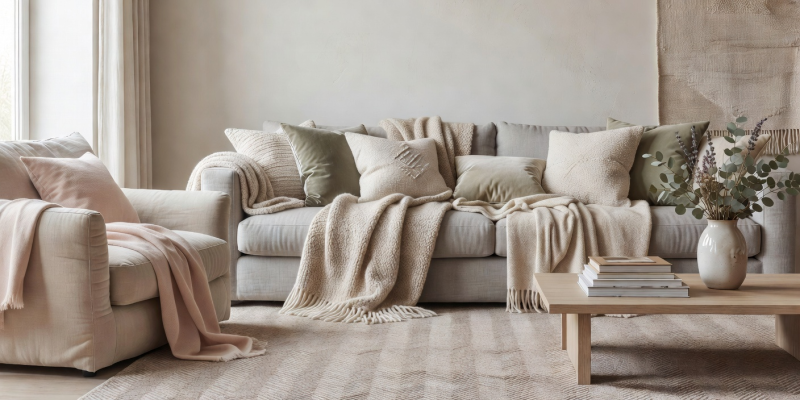
The living room is arguably the most dynamic space in the modern home. It serves as a sanctuary for relaxation, a hub for family gatherings, and a welcoming environment for entertaining guests. Achieving the right balance between these varied functions requires thoughtful decoration. Rather than simply buying matching furniture sets, the most successful living rooms employ strategic layout principles, lighting layers, and textured accents to create depth and warmth.
Anchoring the Space with Layout
The foundation of good decoration is a sound layout. Furniture placement dictates how a room is used and how it feels when you walk into it. Rather than pushing all seating against the walls—a common instinct when trying to maximize floor space—consider floating furniture closer to the center of the room to create deliberate conversation areas.
Establishing a focal point is essential. In many homes, architectural features like a fireplace or large windows naturally serve this purpose. If your room lacks a built-in feature, you can construct a focal point using a large piece of art, a boldly colored accent wall, or a carefully curated media console. Once the focal point is established, arrange seating to encourage engagement with this feature while still allowing guests to face one another comfortably.
The Power of Textiles and Layering
Once the functional layout is set, textiles are the primary tools used to introduce softness and personality. A high-quality rug is often the most impactful decorative item in a living room. It acts as an anchor for the seating arrangement and helps define the zone within an open-plan layout. When selecting a rug, scale is crucial. A common mistake is selecting a rug that is too small; ideally, the front legs of all major upholstered pieces should sit comfortably on the rug.
Beyond the rug, layering continues through window treatments, throw pillows, and blankets. Mixing textures provides visual interest that color alone cannot achieve. For example, pairing a smooth leather sofa with chunky knit throws and linen pillows creates a tactile richness. When combining patterns, vary the scale—mix a large geometric print with a smaller, more intricate floral or stripe—to prevent the textiles from competing for attention.
Pros and Cons of Popular Living Room Textiles
- Linen: Highly breathable and offers a relaxed, organic look. Con: Wrinkles easily and can be less durable under heavy wear.
- Velvet: Adds immediate luxurious texture and depth of color. Con: Can attract pet hair and requires careful cleaning.
- Leather: Extremely durable, easy to wipe down, and ages beautifully. Con: Can feel cold in winter and sticky in high humidity.
Mastering Lighting Layers
Decorations are only as good as the light that reveals them. Relying solely on overhead, ambient lighting often results in a flat, clinical atmosphere. A beautifully decorated living room requires at least three layers of lighting:
- Ambient Lighting: The general illumination of the room, often provided by ceiling fixtures or recessed lights. Dimmer switches are highly recommended here.
- Task Lighting: Focused light for specific activities, such as an adjustable floor lamp next to a reading chair.
- Accent Lighting: Decorative light used to highlight specific features, such as picture lights over artwork, small table lamps on consoles, or LED strips behind shelving.
By scattering light sources at different heights—ceiling, eye level, and lower—you draw the eye around the room and create a warm, inviting glow that harsh overhead lighting simply cannot replicate.
Integrating Botanicals and Art
No living room is truly complete without the addition of organic elements and personal artifacts. Houseplants not only improve air quality but also bring a vibrant, sculptural element into the decor. Large statement plants, like an indoor olive tree or a Monstera, can fill empty corners, while trailing plants add movement to high shelves.
Art and personal collections should be displayed thoughtfully. A gallery wall is an excellent way to combine various small pieces, but sometimes a single, oversized canvas can provide a much cleaner, more modern aesthetic. Remember that empty space on your walls is just as important as the art itself; allow your pieces room to breathe.
Ultimately, a successfully decorated living room is one that evolves. Leave room on your shelves and surfaces for new treasures gathered over time, ensuring the space remains a true reflection of the lives lived within it.