Decorating for the seasons used to mean storing heavy bins of plastic ornaments, themed pillows, and novelty items, only to unpack them for a few weeks a year. This cycle not only consumes immense storage space but often results in cluttered rooms and a fragmented aesthetic. The modern approach to seasonal decoration is much more fluid, sustainable, and subtle. It revolves around the concept of a strong "base layer" accented by natural, transient elements.
The Base Layer Concept
The foundation of seamless seasonal decor is a neutral, high-quality base layer. If your large furniture pieces (sofas, dining tables, major rugs) and primary wall colors are relatively neutral and timeless, the room acts as a blank canvas. This doesn't mean your home must be entirely beige or white, but establishing a cohesive color palette for your permanent fixtures allows smaller, colorful accents to shine without clashing.
When the base is calm and structured, transitioning from summer breeziness to winter coziness requires only a few strategic swaps rather than a complete room overhaul.
Rotating Textiles
The most effective way to signal a change in season is through textiles. They take up relatively little storage space when vacuum-sealed and provide immediate tactile and visual impact.
- Spring and Summer: Pack away the heavy knits and velvets. Introduce lightweight linen throws, cotton cushion covers in brighter or pastel hues, and swap out heavy drapery for sheer panels. The goal is to make the room feel airy and cool.
- Autumn and Winter: Reintroduce physical and visual warmth. Layer faux fur or chunky wool blankets over the arms of chairs. Swap lightweight pillows for rich velvets, corduroys, or deep-toned woven patterns. Incorporate heavier area rugs if possible to insulate the floor.
Bringing the Outside In
Instead of relying on mass-produced decorative items, look to nature for your seasonal cues. Botanical elements are inherently sustainable, often inexpensive, and perfectly capture the spirit of the time of year.
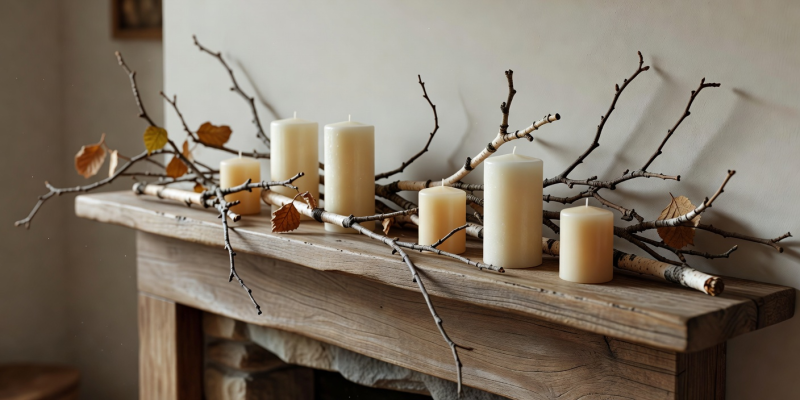
In spring, decorate with forced branches (like cherry blossoms or forsythia) in tall glass vases. Summer calls for freshly cut garden flowers or simple bowls of seasonal fruit like lemons or peaches used as table centerpieces. When autumn arrives, transition to dried grasses, preserved leaves, and architectural branches. Winter decor can rely on evergreen boughs, pinecones, and bare sculptural twigs adorned with subtle fairy lights.
By using organic materials, you eliminate the need to store these items once the season passes—they can simply be composted.
Lighting Adjustments
As the days grow shorter or longer, your lighting should adapt. During the dark winter months, increasing the number of warm, low-level light sources (like candles, lanterns, and small table lamps) combats the gloom and creates a hygge-inspired coziness. In contrast, summer decorating should maximize natural light; ensure windows are unobstructed and use mirrors strategically to bounce sunlight into darker corners.
A sustainable approach to seasonal decor is about intentionality. By curating a small collection of versatile, high-quality textiles and relying on the natural world for accents, your home will remain stylish, seasonal, and distinctly uncluttered year-round.