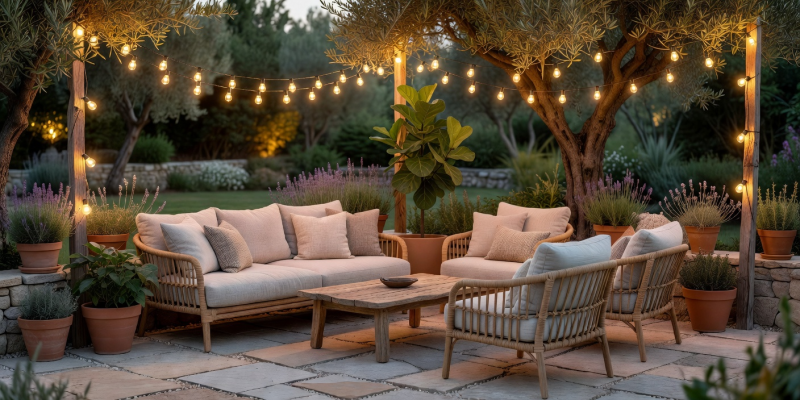
In modern residential design, the boundary between indoors and outdoors is increasingly blurred. Patios, balconies, and gardens are no longer afterthoughts; they are critical extensions of the home's living footprint. Decorating an outdoor space requires the same attention to layout, comfort, and style as an indoor room, but with the added complexity of environmental exposure.
Zoning Your Outdoor Environment
Just like an open-concept indoor floor plan, a large patio or garden benefits immensely from functional zoning. Without defined areas, outdoor furniture can feel adrift in a sea of paving or grass. To create structure, group furniture according to its purpose.
For example, dedicate one zone exclusively to dining. Anchor this space with a sturdy outdoor dining table and perhaps define its borders with a large outdoor rug or a pergola overhead. Create a secondary zone for lounging—a conversational grouping of comfortable armchairs and an outdoor sofa set around a low coffee table or fire pit. Visual separation between these zones can be achieved through the strategic placement of large planters, variations in decking material, or simply the orientation of the furniture.
Selecting Resilient Materials
The golden rule of outdoor decoration is that durability cannot be sacrificed for aesthetics. Fortunately, material technology has advanced to the point where weather-resistant items look just as refined as indoor decor.
- Metals: Powder-coated aluminum is lightweight, rust-resistant, and offers a sleek, modern profile. Wrought iron is heavy and classic but requires maintenance to prevent rust.
- Woods: Teak, acacia, and cedar are naturally resistant to rot and insects. They will weather to a beautiful silvery-gray if left untreated, or can be oiled to maintain their original warmth.
- Textiles: Always look for solution-dyed acrylics for outdoor cushions and pillows. These fabrics resist UV fading, mold, and mildew while feeling remarkably soft to the touch.
The Magic of Outdoor Lighting
Lighting is the most effective tool for transforming an outdoor space from a daytime utility area into an enchanting evening retreat. Relying solely on a harsh security spotlight destroys ambiance. Instead, approach outdoor lighting in layers, much as you would indoors.
String lights (often called café or festoon lights) provide excellent overhead ambient lighting that is warm and celebratory. Drape them across a dining area or weave them through tree branches. Task lighting can be achieved through battery-operated or solar table lamps placed on dining or side tables. Finally, utilize landscape lighting to highlight architectural features, illuminate pathways, or uplight the canopy of a feature tree. This layered approach creates depth and ensures the space feels safe and inviting after dark.
Vertical Gardening and Decor
For those dealing with limited outdoor footprints, such as urban balconies, decorating vertically is essential. Bare walls or fences can be transformed into lush backdrops using wall-mounted planters or climbing trellises. Hanging baskets draw the eye upward and make small spaces feel taller.
Outdoor decor isn't limited to furniture and plants. Weatherproof outdoor art, decorative ceramic stools, and sculptural fire bowls serve as excellent focal points. When selecting these finishing touches, consider the natural surroundings. Items that incorporate stone, terracotta, and natural wood tones will harmonize with the outdoor environment, creating a seamless, restful escape from the daily grind.